
A Family-Friendly Guide to the Sacred Spaces That Shaped the Lowcountry
When families visit Beaufort, South Carolina, they often come for the waterfront sunsets, marsh views, and relaxed Lowcountry pace. But woven quietly into those scenic streets is something even more powerful — more than 300 years of spiritual, cultural, and national history.
Beaufort’s historic churches and cemeteries aren’t simply beautiful landmarks. They are living records of colonial settlement, Revolutionary and Civil War conflict, Reconstruction, African American resilience, and American military service. For visitors staying in the Sea Islands, exploring these sacred spaces offers a meaningful way to experience Beaufort beyond the postcard.
If you’re looking for enriching things to do in Beaufort with kids, history lovers, or visiting grandparents, this guide walks you through the most historically significant churches and cemeteries.
Why Beaufort’s Churches and Cemeteries Matter
Beaufort was chartered in 1711 and is one of the oldest towns in South Carolina. Its historic district preserves buildings dating from the 18th and 19th centuries, including some of the South’s earliest religious structures.
Churches in Beaufort were more than places of worship. They were:
- Community centers
- Schools
- Gathering places during war
- Sites of political organization during Reconstruction
- Burial grounds for generations of families
Cemeteries, in particular, offer insight into Beaufort’s layered history — from colonial militia leaders to Civil War officers to African American political pioneers to modern American service members.
Let’s explore the places where those stories remain.
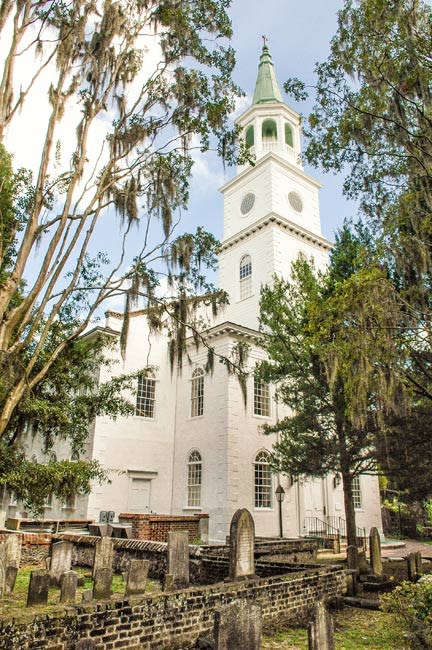
Parish Church of St. Helena
(Founded 1712)
The cornerstone of Beaufort’s religious history is Parish Church of St. Helena.
One of the Oldest Church Sites in North America
Founded in 1712 as part of the Church of England (Anglican), St. Helena’s Parish predates the founding of the United States by more than six decades. The first church building on this site was completed and dedicated in 1724.
The current structure reflects rebuilding and restoration over centuries, including repairs following the Revolutionary War and the Civil War. During the Civil War, Beaufort was occupied by Union forces beginning in 1861, and church buildings throughout town were affected in various ways during occupation.
The church is constructed in a colonial style that reflects early Anglican architecture in the American South.

The Historic Churchyard (Established 1724)
Surrounding St. Helena’s is one of the most historically significant churchyards in the Lowcountry. The cemetery dates to 1724 and contains graves spanning the colonial period through the 19th century.
Confirmed burials include:
- Colonel John “Tuscarora Jack” Barnwell, an early colonial militia leader.
- Officers from British and American forces connected to Revolutionary War activity.
- Confederate generals including Lt. Gen. Richard H. Anderson and Brig. Gen. Stephen Elliott Jr.
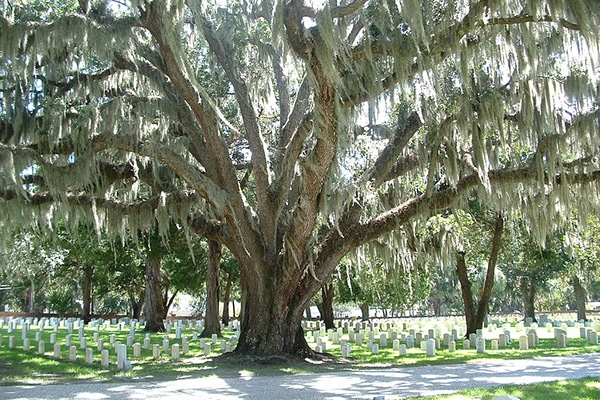
For families, walking through the shaded grounds beneath live oaks draped in Spanish moss becomes a tangible way to understand early American history. Many headstones date back to the 1700s, and inscriptions reflect the language and customs of colonial life.
Visitor tip: The church periodically offers tours and maintains historical materials through its parish archives.
507 Newcastle St, Beaufort, SC 29902

Tabernacle Baptist Church
(Home of the Robert Smalls Monument)
Located on Craven Street in downtown Beaufort, Tabernacle Baptist Church is deeply tied to one of Beaufort’s most nationally recognized historical figures. A Church Central to Reconstruction-Era Leadership Founded in the 1840s, Tabernacle Baptist became especially significant during and after the Civil War as a center of African American religious and civic life. Its most famous member was Robert Smalls. Born into slavery in Beaufort in 1839, Smalls became internationally known in 1862 when he commandeered the Confederate ship CSS Planter and delivered it to Union forces. Following the war, he served in the South Carolina legislature and later in the United States Congress. Smalls is buried in the churchyard at Tabernacle Baptist Church, and a monument stands beside the church honoring his life and legacy. For families exploring Beaufort’s history, this site offers a powerful opportunity to discuss themes of courage, leadership, and Reconstruction in a very personal way.
901 Craven St, Beaufort, SC 29902
First African Baptist Church
(Organized 1863)
Another vital historic congregation is First African Baptist Church.
A Praise House Tradition
Organized in 1863 during the Civil War, this church began as what was historically known as a “praise house.” Praise houses were small one-room worship structures common in the Sea Islands and Lowcountry, particularly among African American communities during and after slavery.
During the Union occupation of Beaufort, formerly enslaved individuals established independent congregations. First African Baptist Church became a spiritual and educational hub during Reconstruction.
The building is recognized by the National Park Service as historically significant.
While the church does not have a large public cemetery associated with it, its importance lies in its role in the formation of autonomous African American religious life during the Civil War era.
Reconstruction Era National Historic Park
601 New St, Beaufort, SC 29902
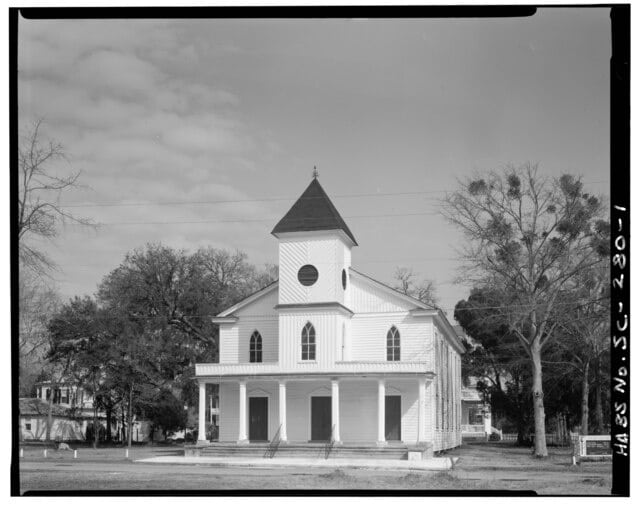
Beaufort National Cemetery
(Established 1863)
One of the most solemn and historically significant sites in the area is Beaufort National Cemetery.
A Civil War-Era National Cemetery
Established in 1863, Beaufort National Cemetery is part of the United States National Cemetery System. It was created after Beaufort fell under Union control in 1861.
Union soldiers who died in area hospitals were buried here, and over time the cemetery became the final resting place for thousands of service members from:
- The Civil War
- The Spanish-American War
- World War I
- World War II
- Korea
- Vietnam
- Later conflicts

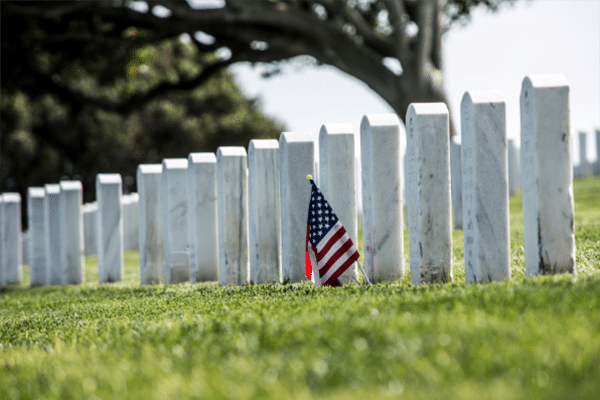
The cemetery is listed on the National Register of Historic Places and is known for its orderly rows of white headstones and dignified landscape design.
For families, this site offers a quiet opportunity to reflect on military service and sacrifice across generations.
Beaufort National Cemetery/Facebook
1601 Boundary St, Beaufort, SC 29902
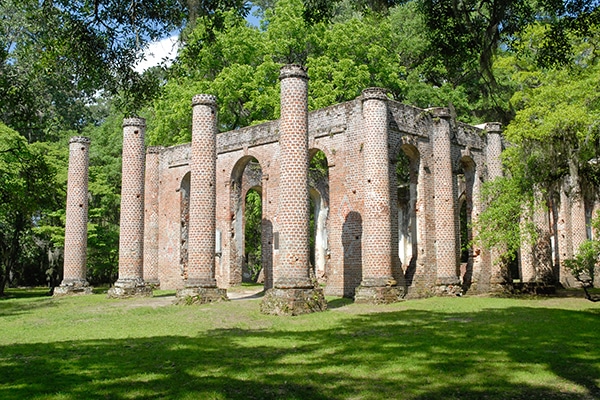
Old Sheldon Church Ruins
(Originally Prince William’s Parish Church)
About 15 miles north of downtown Beaufort stands one of the most photographed historic sites in the Lowcountry: Old Sheldon Church Ruins.
Originally known as Prince William’s Parish Church, the structure was built in the mid-18th century (construction is documented as completed in the 1750s).
Historical records confirm:
- It was burned during the Revolutionary War.
- It was rebuilt.
- It was burned again during the Civil War.
Today, only the Greek Revival columns and outer walls remain, creating a dramatic architectural ruin beneath towering live oaks.
Note: While many local legends surround the site, the confirmed documentation centers on its Revolutionary and Civil War destruction.
Old Sheldon Church Rd, Yemassee, SC 29945
St. Helena Parish Chapel of Ease Ruins
(Circa 1740)
On St. Helena Island, visitors can find the ruins of the St. Helena Parish Chapel of Ease Ruins.
Built around 1740, this chapel served parishioners who lived too far from Beaufort to regularly attend St. Helena’s Parish Church.
Like Old Sheldon, it was damaged during the Revolutionary War. Its remaining tabby walls stand today as evidence of early colonial church expansion into the Sea Islands.
1601 Boundary St, Beaufort, SC 29902
Mary Jenkins Community Praise House
(Circa 1900)
Located on St. Helena Island, the Mary Jenkins Community Praise House represents the continuation of the praise house tradition into the 20th century.
Built around 1900, this small wooden structure reflects Gullah-Geechee religious traditions in the Sea Islands. It is listed on the National Register of Historic Places.
For families interested in African American cultural heritage in Beaufort County, this site provides historical continuity from Reconstruction-era churches to preserved Gullah worship spaces.
355 Eddings Point Rd, St Helena Island, SC 29920
Understanding Beaufort’s Layered History Through Cemeteries
Beaufort’s cemeteries are not large, ornate Victorian graveyards like those found in major cities. Instead, they are deeply intertwined with churches and community spaces.
Across these burial grounds, you’ll find:
- Colonial-era gravestones with carved symbolism
- 19th-century military markers
- Family plots spanning multiple generations
- Reconstruction-era African American leaders
- Modern military service members
Each cemetery reflects a chapter of Beaufort’s story.

Visiting Tips for Families Staying in the Sea Islands
If you’re staying near downtown Beaufort or on the surrounding Sea Islands, here are some family-friendly ways to explore responsibly:
1. Combine Sites Into a Walking Loop
St. Helena’s, Tabernacle Baptist, and First African Baptist are all within walking distance in downtown Beaufort.
2. Respect Active Worship Spaces
Many of these churches are active congregations. Visit outside of service times unless attending worship.
3. Discuss History With Kids Before You Go
Military cemeteries and Reconstruction-era sites offer powerful teaching opportunities. Framing the visit in advance helps children understand the importance of reverence.
4. Pair With the Beaufort History Museum
The museum provides additional context for many of the individuals buried in local churchyards.
A Different Way to Experience Lowcountry Living
When people talk about “Lowcountry living,” they often picture marsh sunsets and waterfront porches. But the historic churches and cemeteries of Beaufort remind us that this coastal lifestyle is rooted in resilience, faith, and community across centuries.
From colonial Anglican settlers to African American congregations formed during the Civil War, from national military sacrifice to preserved praise houses, Beaufort’s sacred spaces tell a uniquely American story.
Exploring them offers something rare: a chance to slow down, walk quietly beneath moss-draped oaks, and experience history not through a screen — but through place.
